#Branding #DesignSystems #DigitalEvolution #WettonCo
Sunday, 12 of April 2026
Photo by Luke Chesser on Unsplash
The 100-page PDF is dead. It has been for a while, but in 2026, the corpse is finally starting to smell.
For decades, the "Brand Bible" was the gold standard: a rigid, locked-down document that dictated exactly how many millimetres of clear space should surround a logo and precisely which shade of navy blue was allowed to exist in the world. It was a document built for a world of stationery and billboards. But as a forward-thinking website design studio, we’ve seen the landscape shift beneath our feet.
The reality of modern branding is no longer about control; it’s about adaptive resonance. When a brand needs to live on a 4K cinema screen, a flickering TikTok feed, a tactile protein bar wrapper, and an AI-driven personal assistant interface all at once, a static PDF doesn't just fall short: it becomes a bottleneck.
At Wetton&Co, we’ve moved beyond the static. We are building living, breathing ecosystems that don’t just sit in a Dropbox folder: they evolve. If you’re rethinking how your own brand shows up across platforms, our branding and design studio is built around exactly that challenge.
The Challenge: The PDF Graveyard
The traditional brand guideline was designed to prevent mistakes. It was defensive. It was built on the assumption that the brand was a finished product, a static monument that simply needed to be protected from "off-brand" interference.
But here is the friction: static documents cannot keep up with the speed of culture. By the time a corporate brand book is approved, the digital landscape has already shifted. New platforms emerge, social trends pivot, and the "rules" suddenly feel like handcuffs.
We’ve seen it time and again: marketing teams feel paralysed by the very guidelines meant to help them. They end up using the same three templates for every social post because the "guidelines" don’t account for the raw, human energy required to actually stop a scroll in 2026. This creates a brand that feels robotic, distant, and ultimately, irrelevant.
In our work as a website design studio, we often encounter brands that have a beautiful logo but no idea how it should move. They have a primary colour palette but no concept of how those colours should react to a user’s hover-state or a dark-mode setting. The PDF can’t tell you how a brand feels in motion: and in a world where attention is the only currency, feeling is everything.

Photo by Christina @ wocintechchat.com on Unsplash
The Solution: Designing the Ecosystem
The shift from a "Guideline" to a "Design System" is a shift from rules to components. Instead of telling you what you can’t do, a flexible design system gives you a kit of parts to build whatever you need.
When we approached the branding for "Core Padel Birmingham", we knew we weren't just designing a logo for a wall. We were designing an experience that had to translate from high-energy physical courts to hyper-active digital marketing.
Our approach to the "Living System" involves:
: Atomic Elements: We break the brand down into its smallest parts: typography, colour fragments, motion curves, and sound bites.
: Platform Agnosticism: We design for the most extreme environments first (the tiny mobile screen and the massive physical installation) to ensure the middle ground takes care of itself.
: The 80/20 Rule: We define 80% of the core identity to ensure recognition, but we leave 20% "wild": allowing room for experimentation, trend-response, and the human edge that AI simply cannot replicate.
This is where a modern website design studio adds the most value. We aren't just handing over a folder of PNGs; we are building a library of assets that are ready for the browser, the app, and the retail shelf. It’s about building a language, not a script. The best design systems work this way at every scale — from startup brands to global product teams — and you can see that principle echoed in resources from Figma and Nielsen Norman Group.

Photo by Christopher Gower on Unsplash
The Result: Visionary Flexibility in Action
The result of a flexible design system is a brand that feels cohesive but never repetitive. It’s the difference between a uniform and a wardrobe. You recognize the person, even if they’re wearing different clothes for different occasions.
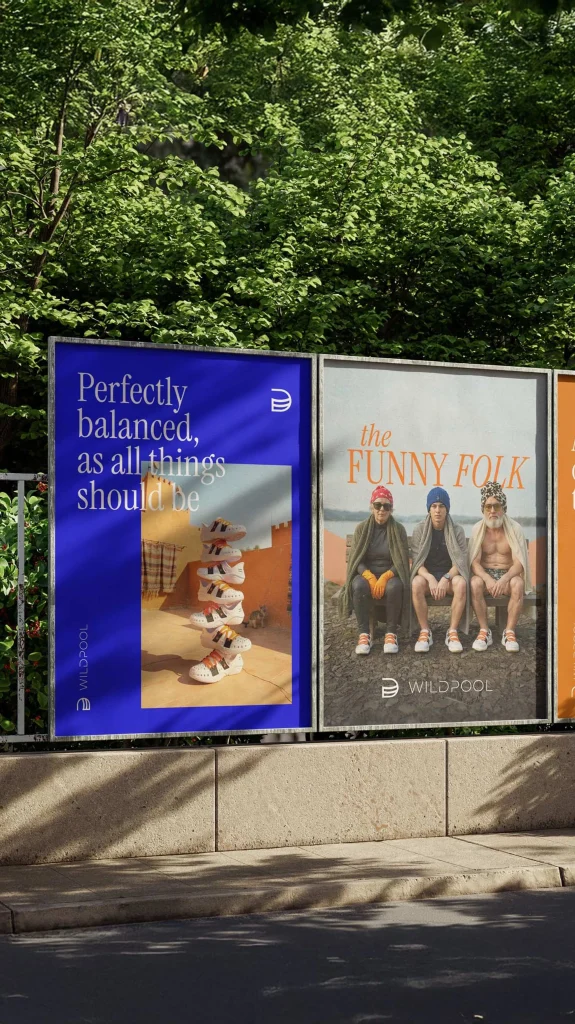
Take our work on "Wildpool". The brand needed to convey a sense of "perfect balance." A rigid set of rules would have sucked the life out of that concept. Instead, we developed a system of visual weights and clean typography that allowed the brand to scale from minimalist outdoor billboards to complex digital interfaces without losing its soul.
By treating the brand as a living system, we allowed the imagery to lead. The system provided the "gravity" that kept the elements together, while the flexible components allowed the marketing team to create bespoke content that felt fresh every single time.
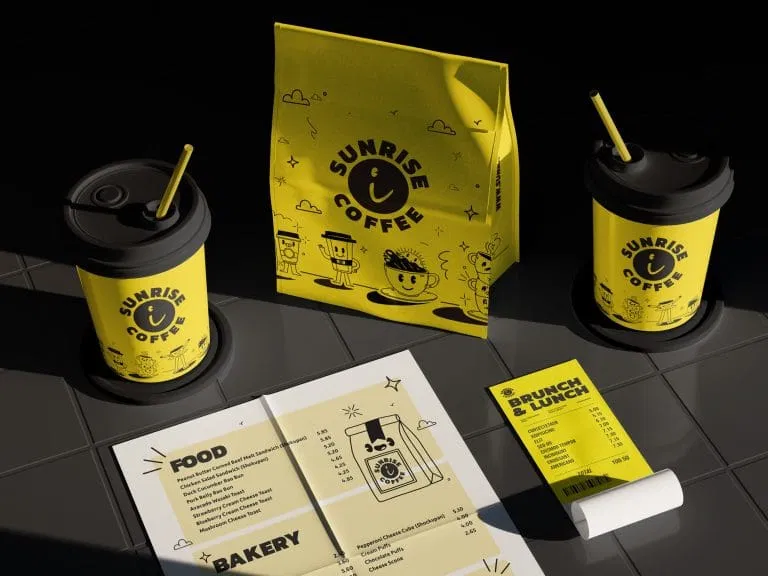
We saw a similar success with our edgy packaging concept for "Poison Protein Bars". Here, the system had to allow for dark humor, scientific-mock layouts, and bold, distressed textures. If we had stuck to a traditional "corporate" guideline, the grit and the personality: the very things that make the brand stand out: would have been polished away.

Photo by Campaign Creators on Unsplash
The Outcome: Scaling for the Next Decade
When you stop trying to control your brand and start trying to enable it, something powerful happens: it scales.
A flexible design system is an investment in the future. As we move toward designing for 2036, the brands that survive will be those that can adapt to new technologies without needing a total rebrand every two years. That same shift is playing out across the wider industry too, with teams increasingly building systems instead of static brand books — something explored well by Adobe.
A design system built by a specialist website design studio ensures that your digital presence is always in sync with your physical presence. Whether it’s the way a button clicks on your site or the way a package feels in a customer’s hand, the system ensures the "Core Essence" remains intact.
Why this matters for your business:
: Speed to Market: Your team can spin up new landing pages or social campaigns in hours, not weeks, using pre-approved components.
: Consistency at Scale: Whether you have a team of two or two hundred, everyone is pulling from the same "source of truth."
: Creative Longevity: The brand stays fresh because it has the "room" to breathe and incorporate new visual trends: like the current 90s nostalgia wave: without breaking the core identity.
If you’re reading this as part of the wider series, it pairs naturally with Does a Static Logo Really Matter in 2026? Brand Worlds vs. Logos, 7 Mistakes You’re Making with Your Brand Identity, and Designing for the Bot: Is Your Brand Ready for AI Search?.
The "Death of the Brand Guideline" isn't something to mourn. It’s a liberation. It’s the moment we stop treating brands like fragile glass sculptures and start treating them like the dynamic, visionary leaders they are meant to be.

Photo by UX Indonesia on Unsplash
At Wetton&Co, we don't just "do" design. We build the frameworks that allow your vision to conquer the noise. We believe that the most successful brands of tomorrow are being built today: not with rules, but with systems.
Is your brand currently trapped in a PDF? Let’s set it free. We work alongside founders and marketing teams to build the tools they need to stay ahead of the curve. Whether you’re looking for a complete visual overhaul or a digital-first design system that actually works, we’re here to lead the way.
Ready to build a brand that lives? Let’s talk.
View our latest work | Explore the Co-Blog
Next Project: Designing Fiction: How We Create Fictional Brands That Feel Real