Photo by Unsplash: https://unsplash.com/s/photos/recyclable-packaging
Category: Studio Journal / Strategy
Date: 16 April 2026
Reading Time: 8 minutes
The landscape of retail is shifting beneath our feet: not just in how consumers shop, but in the very material they hold in their hands. As we sit here in the Wetton&Co studio, 2026 doesn’t feel like a distant milestone anymore; it feels like the definitive "Line in the Sand" for brands that want to survive the next decade.
The catalyst? Extended Producer Responsibility (EPR) fees.
For years, packaging was largely viewed through the dual lens of aesthetic impact and cost-of-goods. But as we move deeper into 2026, a third, more dominant lens has emerged: Environmental Accountability. The "Polluter Pays" principle has evolved from a legislative whisper into a full-blown financial roar. If you are a brand owner, your packaging is no longer just a vessel: it’s a liability or an asset on your balance sheet.
In this notebook entry, we’re peeling back the curtain on how a modern packaging design agency navigates these shifts, turning regulatory headaches into a competitive edge for our partners.
The Challenge: The End of the "Design-First, Think-Later" Era
Historically, the design process for a new product often prioritised shelf-pop and tactile luxury at all costs. We’ve all seen it: the heavy-weight multi-laminate pouches, the spot-UV plastics, the "unboxing experiences" that resulted in a mountain of non-recyclable waste.
But the 2026 shift has changed the math.
With EPR programmes now live across major territories: from Colorado’s mandatory reporting to the UK’s refined fee structures: the cost of choosing the "wrong" material has skyrocketed. We are seeing flexible films and non-recyclable laminates attracting fees that are 40 to 50 times higher than simple corrugated cardboard.
The challenge we face in the studio is no longer just "How do we make this look premium?" It is now: "How do we maintain a premium feel while optimising the grammage and material selection to avoid crippling EPR penalties?"
The Logic: Understanding the Fee Modulation
To design for the future, we have to understand the mechanism. EPR fees aren’t just a flat tax; they are modulated. This means the fee isn't just about the weight of the packaging: it's about its circularity.
- Base Fees : The standard per-weight charge for a material category.
- Eco-Modulation : This is where the magic (or the pain) happens. If a pack is designed for an established recycling stream, the fee is discounted. If it uses multi-material components that are hard to separate, the fee is penalised.
When we approach a project like the "English Cheesecake Co", we aren't just looking at the vibrant turquoise or the playful typography; we are looking at the material substrate. We are asking if that "Eat Me Frozen" call-to-action is printed on a material that will allow the brand to scale nationwide without their margins being eaten alive by compliance costs.
Photo by Pexels: https://www.pexels.com/search/logistics%20center/
Solution: The Studio Audit & Material Transition
Our process has evolved into a strategic audit that happens long before the first sketchbook is even opened. We treat the EPR framework as a creative constraint. As we’ve discussed in our strategic process, the best work often comes from the tightest boundaries.
1. The Portfolio Audit
We look at a client's entire range and map their fee exposure. High-volume, low-margin products in non-recyclable packaging are the first candidates for a redesign. We look for "easy wins": replacing PVC windows with die-cuts or swapping plastic laminates for aqueous coatings.
2. The Weight-Reduction Sprint
Because fees are weight-based, every gram counts. We’ve been experimenting with light-weighting techniques: reducing the thickness of primary packaging without compromising the structural integrity of the product. It’s a mathematical precision that mirrors our approach to logo design.
3. The Move to Mono-Materials
The biggest trend of 2026 is the death of the multi-layer pouch. We are pushing our partners toward mono-material plastics (like all-PE or all-PP structures) that are fully recyclable. It’s about creating a "Future-Ready" brand that doesn't just look good in 2026 but is built for 2036 and beyond.
The Result: Branding That Carries Weight (Without the Cost)
The result of this strategic shift isn't "boring" packaging. In fact, it’s quite the opposite. When you strip away the unnecessary layers, you’re left with something more honest, more tactile, and often more impactful.
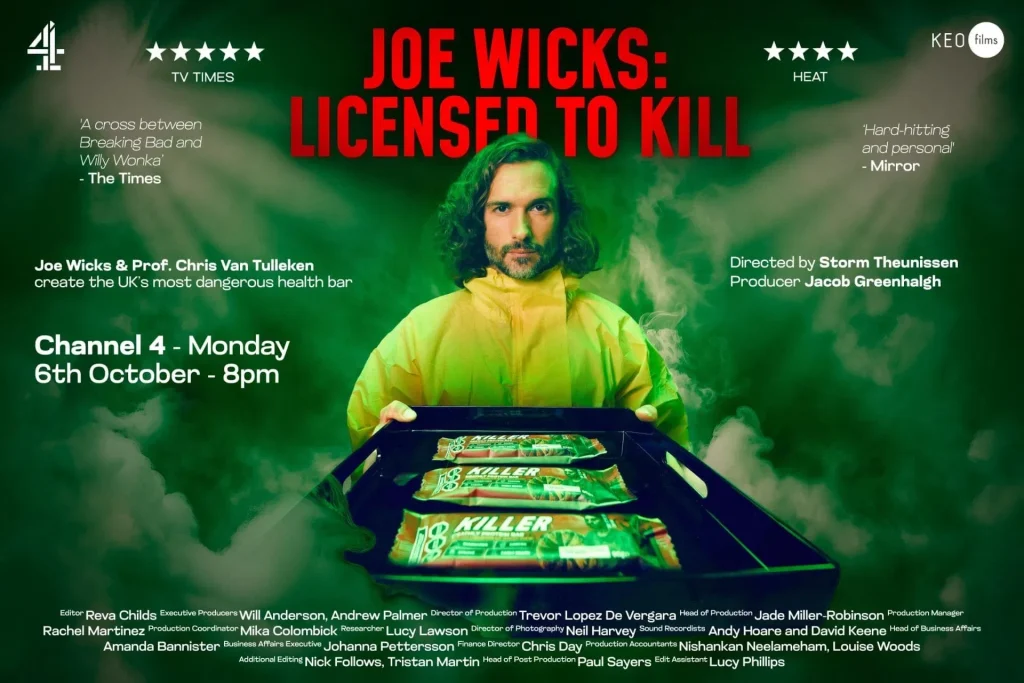
Take our concept work for the "Poison Protein Bar". This project explored the tension between science and caution: using bold, distressed typography and a layout that felt deliberately "industrial." By focusing on a high-impact, single-substrate design, we proved that you don't need complex, multi-material finishes to create something that demands attention on a shelf.

Photo by Unsplash: https://unsplash.com/s/photos/packaging
This project was a masterclass in using design hierarchy to do the heavy lifting that physical "frills" used to do. When a packaging design agency understands the financial implications of every ink choice and every foil stamp, the design becomes more deliberate: and ultimately, more successful.
The Outcome: Scaling for Retail with Strategy
For brands looking to move from local to nationwide retail, the 2026 EPR shift is actually an opportunity. Retailers are increasingly prioritising brands that help them hit their own ESG (Environmental, Social, and Governance) targets. If your packaging is "EPR-optimised," you are a much more attractive partner for a major supermarket than a competitor whose packaging is a recycling nightmare.
We saw this play out with the "Swizzels Squashies" collaboration. The goal was to capture a fun, nostalgic feel while ensuring the packaging was retail-ready and robust. The vibrancy of the raspberry and milk flavours was communicated through clever use of colour and typography: not through expensive, non-recyclable finishes.
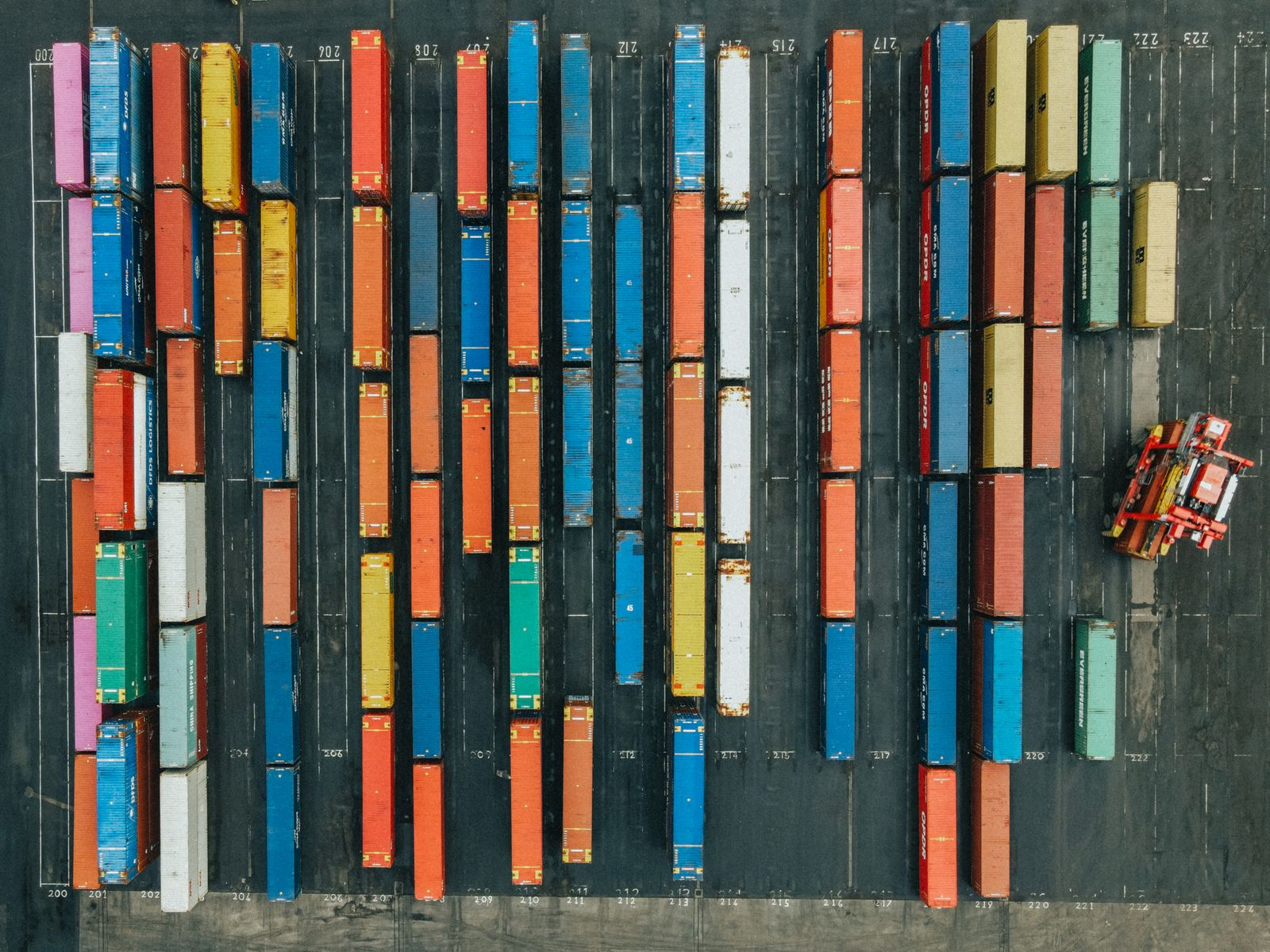
Photo by Pexels: https://www.pexels.com/search/logistic%20and%20supply%20chain%20management/
By balancing the appetite appeal with a pragmatic approach to material usage, we helped create a product that stands out in the frozen aisle: not just because it looks great, but because it’s built to work within the modern retail ecosystem.
Designing the Next Chapter
At Wetton&Co, we believe that the best design is a form of problem-solving. The 2026 packaging shift isn't a hurdle: it’s a chance to redefine what "premium" means. It means efficiency. It means intelligence. It means responsibility.
Whether we are working on fictional brands for film and TV or helping a startup scale their physical presence, our focus remains the same: creating visual stories that are grounded in strategy.
The era of the "unaccountable" package is over. The era of the strategic, sustainable, and undeniably bold brand has begun.
Photo by Pexels: https://www.pexels.com/search/modern%20studio/
Are you ready to audit your packaging for the 2026 shift?
We don't just design labels; we build visual systems that protect your margins and your brand’s future. If you’re looking for a packaging design agency that speaks the language of both creativity and compliance, we’d love to chat.
Next Project: How to Choose the Best Branding Agency Without Hiring In-House