Category: Branding, Packaging Design
Date: April 13, 2026
Author: Wetton&Co Team
In the saturated aisles of 2026, a product has approximately 2.8 seconds to justify its existence to a consumer. For a packaging design agency, the challenge is no longer just about being "loud" or "bright." The modern consumer is more discerning, more sceptical, and more informed than ever before. They are looking for radical transparency: honesty about ingredients, sustainability, and brand ethics: but they still crave the dopamine hit of a premium, high-end aesthetic.
At Wetton&Co, we believe that the tension between "telling the whole truth" and "looking incredible" is where the most visionary design happens. We don't see information as clutter; we see it as an opportunity for storytelling. If you're exploring how this thinking translates across our wider work, you can see more of our branding and packaging projects at Wetton&Co.
The Challenge: The Tension Between Information and Aesthetics
The primary friction in modern packaging is the battle for real estate. Regulatory requirements, nutritional data, and sustainability certifications often feel like they are at war with the brand’s visual soul. If you lean too far into transparency, the pack looks like a clinical white paper. Lean too far into "shelf appeal," and you risk looking like you have something to hide.
We’ve seen this play out across various sectors, from boutique snacks to high-end health supplements. Consumers are scanning for "clean labels," but their lizard brains are still hunting for vibrant, appetising visuals. The goal is to create a brand world where the data and the design are inseparable.
When we worked on the "English Cheesecake Company Cheesecake Bites," the challenge was to communicate a premium "treat" experience while ensuring the product benefits: like "Eat Me Frozen" and award-winning taste: were unmissable.

The Strategy: Layering Narrative Through Visual Hierarchy
Our approach to balancing these elements is grounded in a strict visual hierarchy. We don't try to say everything at once. Instead, we guide the eye through a choreographed sequence of discovery.
1. The Hook (Shelf Appeal)
This is the "stop the scroll" moment. It’s the bold colour blocking, the unique silhouette, or the high-contrast typography that makes a consumer pull the product off the shelf. In our work for the "English Cheesecake Company," we used vibrant pinks, turquoises, and oranges to create an immediate emotional connection.
2. The Evidence (Radical Transparency)
Once the product is in the hand, the transparency takes over. This is where we use die-cut windows or hyper-realistic photography to provide visual proof of quality. Seeing the actual texture of a cheesecake bite or the raw ingredients of a protein bar builds a level of trust that no amount of marketing copy can replicate.
3. The Story (The Brand Soul)
The final layer is the narrative: the "why" behind the brand. This is where we integrate details about sourcing, usage instructions, and the brand’s mission. We treat this information with the same design rigor as the logo.

The Result: Designing for Authenticity
Transparency isn't just about listing ingredients; it’s about a brand being comfortable in its own skin. Sometimes, that means being radically honest in a way that feels disruptive.
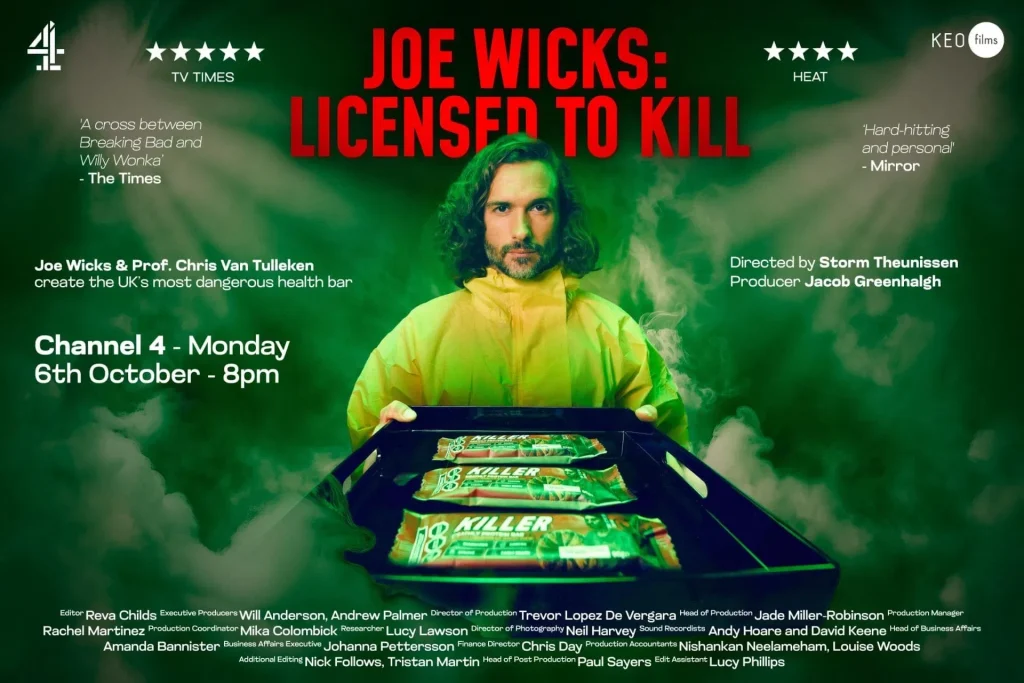
Consider our concept for the "Poison Protein Bar." We took the idea of transparency to a provocative extreme. Instead of the usual "health-halo" tropes, we used distressed typography and skull iconography to satirize the industry's obsession with "clean" eating. By being brutally honest: almost dangerously so: we created a level of shelf appeal that was impossible to ignore. It turned the "ingredients list" into the hero of the design.

Materiality: The Physicality of Trust
In 2026, you cannot talk about packaging without talking about the material itself. A packaging design agency must be as well-versed in substrate science as they are in typography. Sustainable packaging is no longer a "nice-to-have": it is the baseline.
However, "sustainable" shouldn't mean "boring." We are constantly exploring how recycled cardstocks, biodegradable films, and plant-based inks can be elevated.
: Tactile Finishes: Using matte laminations or embossed textures to make the "sustainable" choice feel like a "luxury" choice.
: Minimalist Construction: Reducing the amount of material used while maintaining structural integrity and shelf presence.
: Smart Labels: Integrating QR codes that lead back to the Wetton&Co blog, a brand's specific transparency report, or trusted guidance from high-authority design and sustainability voices like The Dieline and Pentawards.
When we designed the cheesecake packaging in Brighton, the physical "unboxing" experience was just as important as the visual design. The weight of the card and the snap of the lid are silent ambassadors for the brand’s quality.
The Outcome: Converting Curiosity into Loyalty
The ultimate goal of visionary packaging is to move beyond the first purchase. Great design gets the product into the basket; radical transparency keeps it on the shopping list.
By balancing these two forces, we create brands that feel "real." In a world increasingly dominated by AI-generated perfection, the "human" touch: the intentional imperfection of a hand-drawn illustration or the raw honesty of a clear ingredient list: is the new premium.
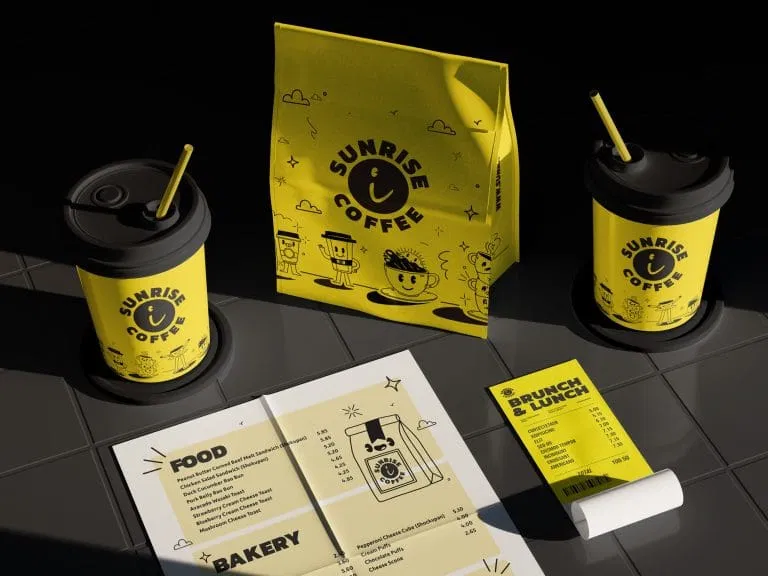
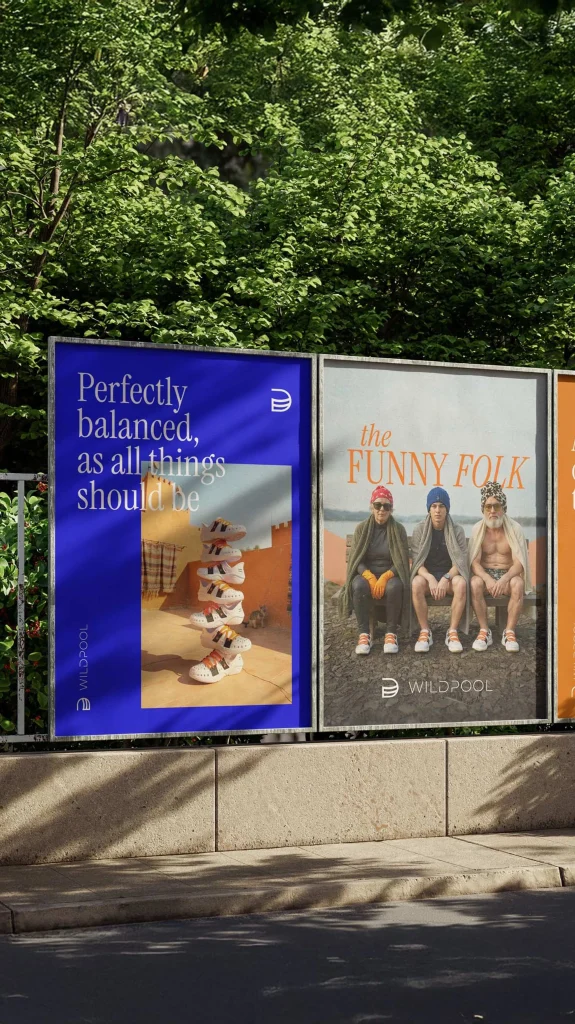
We see this across our entire portfolio, from the bold, flavour-led design of the frozen aisle to the cinematic, fictional brands we create for film and TV. The principles remain the same: Be bold, be honest, and never settle for the expected.
If you want to keep reading around this theme, explore related posts in the series: Beyond the Box: Why Tactile Packaging is the Ultimate Flex, Craft Matters: Why “Human-Made” is the Next Big Luxury Trend, and Death of the Brand Guideline: Long Live the Brand World. For wider industry perspective, we also keep an eye on packaging conversations shaped by Dezeen and Creative Review.
Moving Forward: Is Your Packaging Ready for 2026?
The brands that will survive the next decade are those that understand that transparency is a gift, not a burden. It is an opportunity to prove your value to your customer before they’ve even tasted, worn, or used your product.
As a packaging design agency, we don’t just design boxes; we design the first point of contact between your vision and the world. Whether you are a start-up in Brighton or an established brand looking to pivot, the question is the same: Does your packaging tell the truth, and does it look amazing while doing it?
If you’re ready to evolve your brand’s physical presence, let’s talk about how we can build a visual system that stands out on the shelf and stands up to scrutiny.
Next Project: Joe Wicks Licensed to Kill Bar Packaging
Are you looking to redefine your shelf presence?
We work alongside visionary founders to create packaging that doesn't just sit on a shelf: it starts a conversation. From bespoke branding to full-scale packaging rollouts, we are here to help you navigate the future of design. Get in touch today.