Credit: Photo by Unsplash
Categories: #Branding #Strategy #AISearch #DesignSystems
Date: Monday, 13 of April 2026
The landscape of brand discovery has undergone a seismic shift. In 2026, we are no longer just designing for the human eye: we are designing for the algorithmic mind. As AI-driven search engines like Perplexity and OpenAI’s latest models become the primary gatekeepers of information, the traditional rules of brand identity strategy have evolved.
At Wetton&Co, we’ve seen that a brand is no longer a static PDF of guidelines; it is a living, breathing set of signals that an AI must interpret, verify, and recommend. If those signals are weak, contradictory, or derivative, your brand effectively disappears from the conversation. To see how we approach that in practice, explore our branding and design work.
We’ve identified seven critical mistakes that brands are currently making: and how we’re helping our partners pivot towards a future defined by AI discovery.
1. Diluting the Signal: The Audience Identity Crisis
The Challenge
Many brands fall into the trap of wanting to be "everything to everyone." In a traditional SEO world, you could perhaps cast a wide net with keywords. In an AI-first world, this is a fatal error. AI agents look for high-intent matches. If your messaging is too broad, the algorithm cannot confidently categorise your brand as the "best" solution for a specific problem.
The Solution
We lean into hyper-specificity. Your brand identity strategy must be grounded in a defined persona that an AI can clearly index. Whether we are working on a high-energy sports venture like "Core Padel" or a boutique food brand, we ensure the core narrative is laser-focused. Clarity is the new currency. By defining exactly who you are for, you allow AI systems to surface your brand to the audiences most likely to convert.

Credit: Photo by Unsplash
2. The Coherence Gap: Inconsistent Visuals Across Touchpoints
The Challenge
AI search doesn't just read your website; it scrapes your social media, your LinkedIn, your YouTube channel, and third-party reviews. If your visual language varies wildly between your packaging and your digital presence, the AI senses a lack of authenticity. Inconsistency is interpreted as a lack of authority. The same principle shows up in systems like Nielsen Norman Group often discusses: consistency builds trust before a user even thinks about it.
The Solution
We build "Brand Worlds" rather than just logos. Consistency signals credibility to both humans and algorithms. Every touchpoint: from a 15-second social clip to the tactile finish of a physical box: must carry the same DNA. When we developed the identity for Core Padel Birmingham, the goal was a seamless transition from the digital booking experience to the physical court environment. This visual thread ensures that wherever an AI "encounters" your brand, the signal is reinforced, not diluted.
3. The "Stock" Trap: Failing to Differentiate
The Challenge
Imitation is the quickest way to become invisible. If your brand looks like a slightly tweaked version of your top three competitors, an AI agent will likely group you all together and recommend the one with the highest legacy authority. Using generic stock imagery or "safe" design choices makes you a commodity, not a leader. It’s a point echoed for years by It’s Nice That and Creative Review: distinctive work gets remembered.
The Solution
True differentiation requires a bold, visionary approach. We believe in "Attraction vs. Critique": creating work that is so distinct it forces a reaction. Whether it’s the vibrant, playful energy of Sunrise Coffee or a disruptive take on health club branding, we look for the "white space" in your industry. To win in AI search, your brand needs to be the outlier that the algorithm can’t help but highlight as a unique alternative.
4. Visual Stagnation: The "Human Edge" in an AI World
The Challenge
As AI-generated content floods the internet, we are seeing a massive backlash against "pixel-perfect" but soulless visuals. Paradoxically, the more AI is used to create, the more people (and the algorithms that track them) value the "Human Edge." Brands that rely on generic AI-generated backgrounds with warped textures or uncanny valley lighting are rapidly losing trust. That tension between automation and craft is exactly why editorial platforms like Dezeen continue to spotlight work with a clear point of view.
The Solution
We prioritize "Intentional Imperfection" and raw, high-quality craft. This is why we focus so heavily on the tactile nature of packaging design. Take our work with the English Cheesecake Company; the focus is on bold, appetizing, and human-centric design that feels tangible. When we use original photography and custom-lettered typography, we create a proprietary visual language that AI can’t easily replicate or mistake for someone else’s.

Credit: Photo by Unsplash
5. The Misaligned Promise: Value Proposition Friction
The Challenge
AI is a master of cross-referencing. If your branding promises a "premium, luxury experience" but your customer reviews and digital footprint suggest a "budget, high-volume" reality, the AI will detect the friction. It will see the disconnect between your marketing claims and the actual user sentiment, leading to a lower "trust score" in search results. In other words: your positioning has to align with the experience people actually have.
The Solution
We ensure that the brand promise is grounded in operational reality. A successful brand identity strategy must be honest. If we are positioning a brand as a premium leader, every element: from the weight of the paper stock to the speed of the website: must reinforce that claim. We work alongside our partners to ensure that the "visionary" brand we build is one they can actually deliver on every single day.
6. Narrative Overload: Trying to Tell Too Many Stories
The Challenge
Complexity is the enemy of discovery. If your homepage tries to explain twelve different service pillars in dense, jargon-heavy paragraphs, both your customers and the AI bots will move on. AI search thrives on "extractable insights." If your core message is buried under layers of corporate-speak, it won't be extracted. For a deeper take on this shift, we unpack it further in Designing for the Bot: Is Your Brand Ready for AI Search?.
The Solution
We apply a "Film & TV Mentality" to brand storytelling. Think of your brand as a title sequence: you have three seconds to set the tone, the genre, and the stakes. We strip away the fluff to reveal the "Core Truth" of the business. By simplifying the narrative, we make it easier for AI to summarize your value proposition in a single, compelling sentence.

Credit: Photo by Unsplash
7. The Culture Gap: Ignoring Internal Brand Alignment
The Challenge
The final mistake is treating brand identity as a "mask" rather than a reflection. In 2026, brand leaks are common, and the "internal culture" of a company is often visible through social media and employee reviews. If there is a gap between your bold external branding and your internal reality, the resulting inauthenticity will eventually poison your brand signal. It’s also why brand systems now need to flex beyond a static logo — something we explore in Does a Static Logo Really Matter in 2026? Brand Worlds vs. Logos.
The Solution
We believe that branding starts from the inside out. When we collaborate with a client, we don't just deliver a folder of assets; we help spark a cultural shift. The brand values must be lived by the team so that every organic interaction: the things AI crawls that you don't control: aligns with the things you do control.
The Outcome: Future-Proofing Your Identity
The brands that will thrive in the next decade are those that understand the duality of modern design: it must be visceral enough to move a human and structured enough to be understood by a machine.
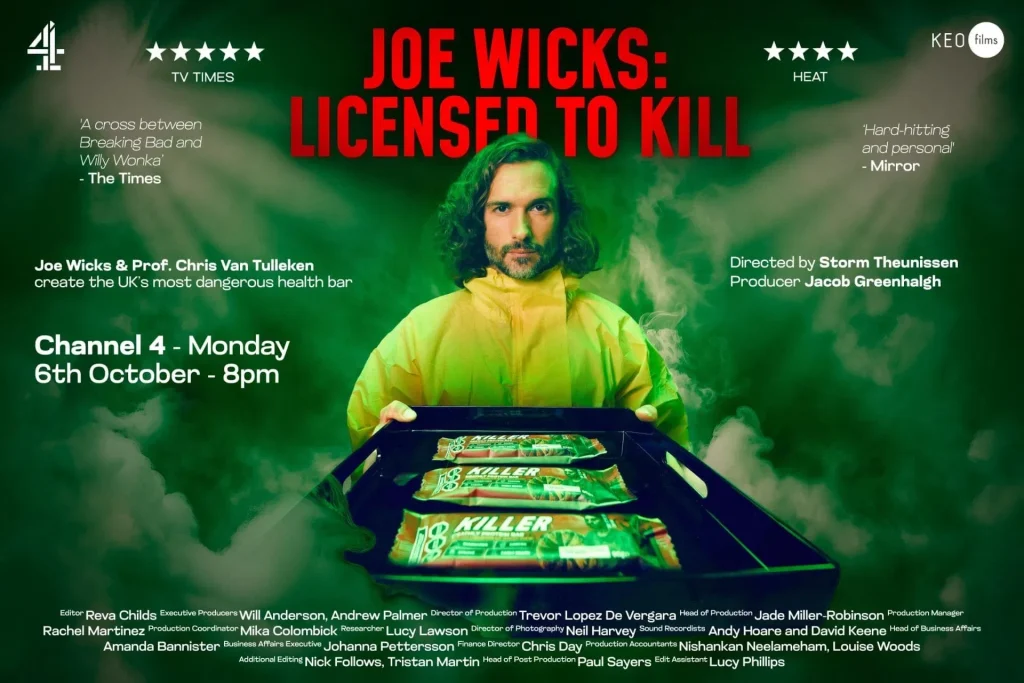
By avoiding these seven mistakes, you aren't just "fixing your SEO": you are building a resilient, visionary brand that commands attention. Whether we are refining the brand identity strategy for a local Brighton startup or redesigning the packaging for a national FMCG leader like Joe Wicks, our process remains the same: we find the truth, we make it bold, and we make it consistent. If you want the wider context around craft, consistency, and AI-era branding, it pairs well with Craft Matters: Why “Human-Made” is the Next Big Luxury Trend and Death of the Brand Guideline: Long Live the Brand World.
The Results
: A coherent brand signal that AI agents can confidently recommend.
: A visual identity that stands out in a crowded, AI-saturated market.
: A deeper connection with audiences who value authenticity and craft.
The Next Project
Ready to stop blending in? If you're looking to evolve your brand for the age of AI search, let’s talk about how we can build something visionary together.