

#Branding #Strategy #DesignTrends #MotionDesign
16 April 2026

The landscape of brand design has shifted. If you’ve spent any time in our studio recently, you’ll have seen the shift firsthand: it’s no longer about a static logo sitting pretty on a business card. We’ve moved into an era where the primary touchpoint for every brand is a screen, and screens don’t just sit there. They glow, they scroll, and most importantly, they move.
As we navigate 2026, the question isn’t whether your brand should include motion; it’s how motion is interwoven into your core brand identity strategy. We’ve seen a fundamental change in how audiences experience brands: moving from passive observers to active participants in a digital-first world. Static visuals are no longer enough to compete for attention in a video-led landscape where the scroll never stops.
The Challenge: Breaking the Static Barrier
For years, the industry standard was to design a brand in "freeze frame." We’d create a logo, pick a colour palette, and define the typography: all as flat, static assets. Motion was often treated as an afterthought: a bit of "flair" added by an animator at the very end of the process.
But here’s the problem: when motion is an add-on, it feels like an add-on. It lacks the soul of the brand. In 2026, a brand that doesn't move feels broken, or worse, invisible. The challenge we’ve been tackling at "Wetton&Co" is how to build identities that are born to move, ensuring that the rhythm, pace, and personality of a brand are baked into its DNA from day one.

The Shift: Why 2026 is the Year of Kinetic Identity
We’ve reached a tipping point. With the rise of immersive digital environments and the total dominance of short-form video, our brains have become calibrated to seek out movement. A static image in a social feed is now often skipped over in favour of something: anything: that shifts.
A modern brand identity strategy must account for this psychological shift. Movement communicates on a human level. Think about it: people don't express themselves through static poses; we use gestures, rhythm, and subtle shifts in posture to convey emotion. By bringing motion into the core of a brand, we’re essentially giving it a body language.
Whether it's a bespoke social media graphic that reacts to a user's scroll or a website interface that breathes as you navigate, motion is the bridge between a corporate entity and a living, breathing personality.
The Solution: Designing for the "In-Between"
When we approach a new project at "Wetton&Co", we’ve started looking at the "in-between" moments. It’s not just about the start point (the logo) and the end point (the content); it’s about how the brand travels between the two.
We look at motion through three specific lenses:
- Personality through Pace : Is the brand fast, energetic, and disruptive? Or is it calm, smooth, and deliberate? The speed of a transition tells the audience more about a brand’s values than a mission statement ever could.
- Narrative Flow : How does the visual language guide the eye? In our film-grade storytelling for brands, we use motion to lead the viewer through a journey, ensuring the most important information is always the hero.
- Systematic Scalability : A motion system needs to work as well on a giant billboard in Piccadilly Circus as it does on a tiny smartwatch icon.
Take our work on "Core Padel", for instance. The sport itself is high-energy, tactical, and fast-paced. A static logo would have failed to capture the essence of the game. We designed a system where the geometry of the brand reacts to the movement of the ball: a visual identity that is literally powered by the sport’s own physics.

The Result: A Living, Breathing Brand System
The outcome of a motion-first strategy is a brand that feels significantly more premium and "always-on." It allows for a level of consistency that static brands simply can’t match. When the way your brand moves is proprietary, you don't need to slap a logo on every single frame of a video: the movement itself becomes the signature.
We’ve seen this work wonders for our clients in the retail and FMCG sectors. While you might think packaging design is a purely physical, static medium, in 2026, it’s anything but. With AR integration and digital-first marketing, your packaging needs to "perform" on screen before it ever hits the shelf.
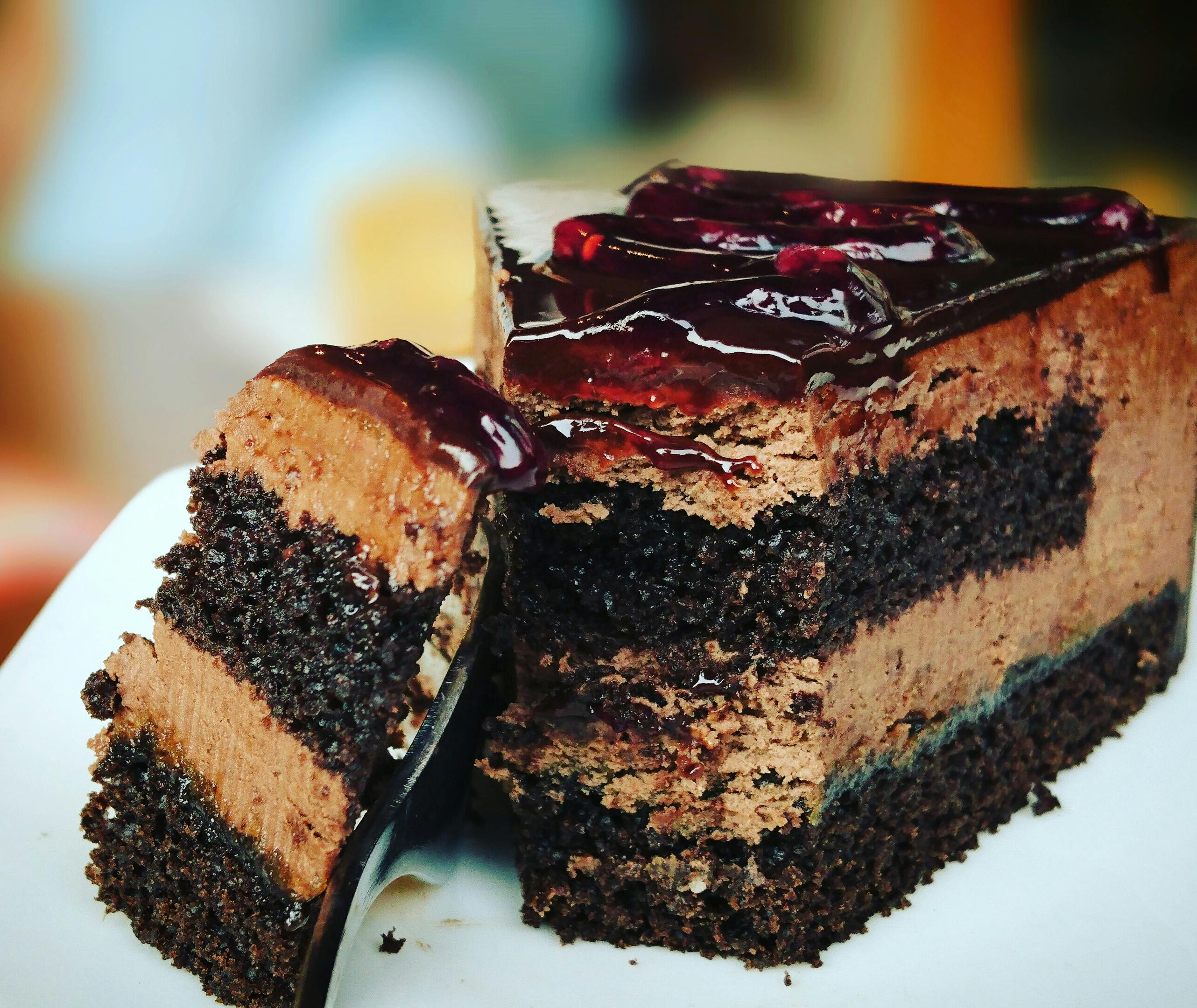
When we worked with the "English Cheesecake Co", the focus was on vibrant, appetising energy. By translating that energy into digital motion assets, we ensured the brand felt just as indulgent on a 6-inch smartphone screen as it does in the frozen aisle of a supermarket.
Why Strategy Must Precede Animation
It’s easy to get distracted by "cool" effects, but movement without meaning is just noise. Every bounce, slide, or fade must be rooted in the brand identity strategy. If we’re building a brand that prides itself on mathematical precision and iconicity, the motion must be rigid, snapped-to-grid, and purposeful.
If the brand is about nostalgia and tactile warmth, the motion should have a slight "weight" to it: perhaps mimicking the mechanical feel of an old film projector or the organic sway of a handheld camera.
This is where many agencies trip up. They treat motion as a technical skill, whereas we treat it as a strategic pillar. We ask:
- What does this movement say?
- How does it reinforce the brand's position in the market?
- Does it make the user’s life easier or just more cluttered?
The Outcome: Future-Proofing for 2036
At "Wetton&Co", we aren't just designing for today. We’re designing with a 10-year horizon. By 2036, static identities will likely be a relic of the past, used only by brands trying to make a very specific, "vintage" statement.
By embracing motion now, you’re not just following a trend: you’re building a toolkit that will remain relevant as hardware evolves from screens to holograms and beyond. Movement is universal. It transcends language barriers and cultural shifts. It is the most powerful tool in our design arsenal for creating an emotional connection.

Looking Ahead
The shift toward kinetic branding is a move toward more expressive, more human, and more effective communication. It’s about taking the principles of great design: balance, hierarchy, and contrast: and adding the fourth dimension: time.
Whether you’re a startup looking for a film-grade identity or an established brand needing to revitalise your social presence, your strategy needs to move. If your brand is standing still, it’s falling behind.
We’re here to help you find your rhythm. Let's move.
Ready to get your brand moving?
If you’re looking to evolve your brand identity strategy for the digital-first landscape of 2026, we’d love to chat. From bespoke packaging to high-impact social graphics, we build brands that are designed to stand out by never standing still.
Get in touch with the Wetton&Co studio today

