#Branding #SocialGraphics #Strategy #DesignStudio
Wednesday, 15 of April 2026
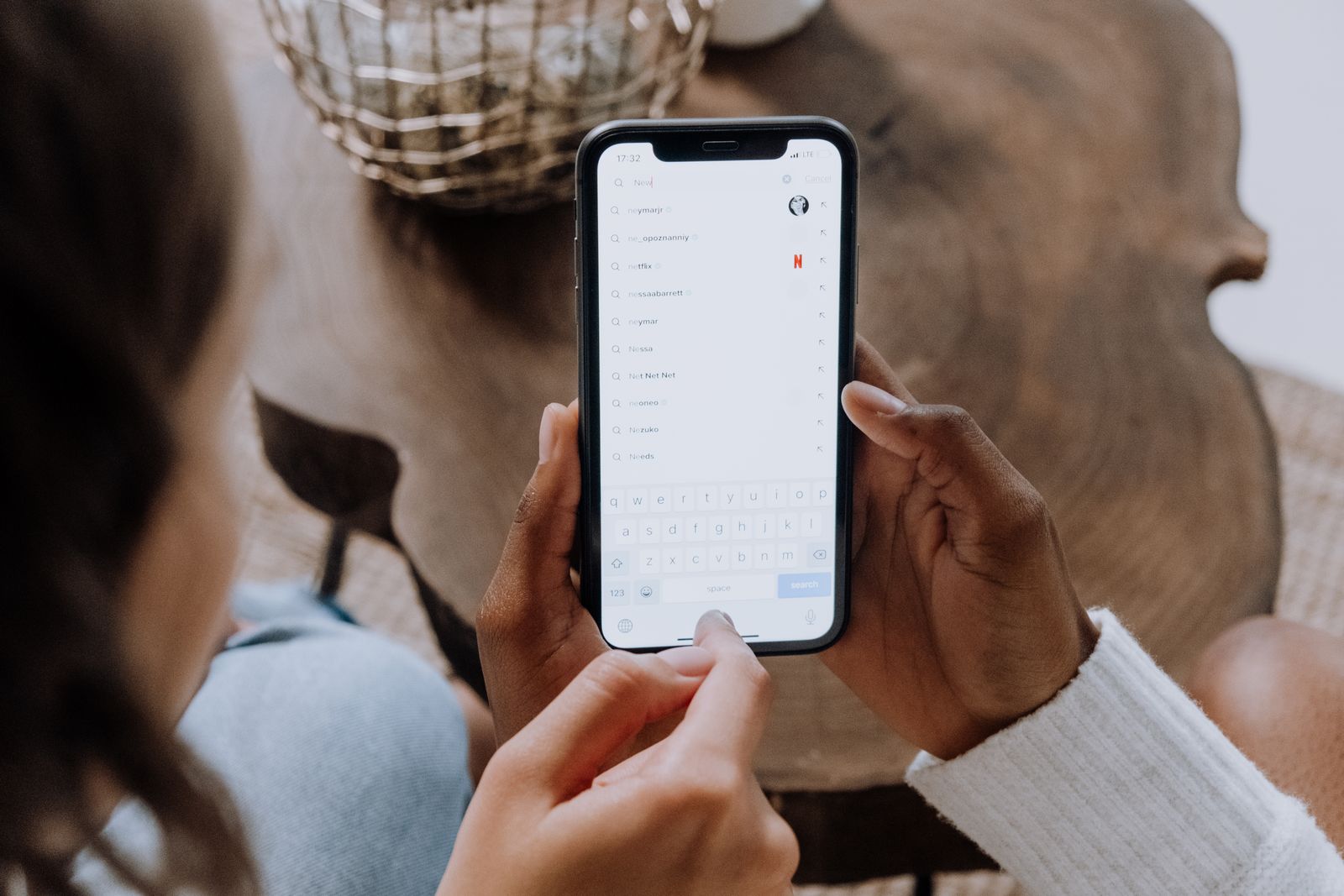
We’ve all been there: aimlessly flicking through a feed at 11 PM, thumb moving at a rhythmic, hypnotic pace, until suddenly, something hits. A flash of colour, a provocative headline, or a texture so crisp it feels like you could reach through the glass and touch it. Your thumb halts. You click.
In the studio, we spend a lot of time talking about that split-second halt. As a branding agency based in the heart of Brighton’s creative scene, we’re obsessed with what makes people stop. But here’s the thing we’ve realised lately: it’s rarely just about the "pretty" picture. In 2026, where every brand has access to high-fidelity tools and AI-generated assets, "pretty" is the baseline. It’s the minimum entry requirement.
To truly stop the scroll and, more importantly, start a conversation, you need something deeper. You need a brand identity strategy that acts as the backbone for every single pixel. Without it, you’re just adding to the noise.
The Challenge: Navigating the Sea of Sameness
The digital landscape has become a bit of a mirror maze. Brands see what’s working for others and: often unconsciously: start to mimic the same minimalist curves, the same pastel palettes, and the same safe typography. The result? A "sea of sameness" where every lifestyle brand looks like every other lifestyle brand.
When we sit down with clients at Wetton&Co, the challenge is almost always the same: "How do we cut through?"
The temptation is to go louder. Brighter colours, faster animations, more aggressive "buy now" stickers. But volume isn't impact. We’ve found that the real friction: the kind that stops a scroll: comes from intentionality. It’s the difference between a loud shout and a well-timed whisper in a crowded room. The problem isn’t a lack of content; it’s a lack of meaningful content grounded in a cohesive system.

The Result: Building Friction Through Intent
Take our work for "Core Padel". When we looked at the sports and fitness sector, we saw a lot of generic "action" shots: sweaty brows and blurry movement. For the Core Padel branding, we decided to lean into the geometry of the game itself. The result wasn't just a logo; it was a high-contrast visual language that translated perfectly into social media graphics design.
By using high-contrast green filters and dynamic, architectural lines, we created visual friction. It doesn't look like a standard gym ad. It looks like a destination. When that hits a feed, the brain registers a "pattern interrupt." It’s familiar enough to be understood as "sport," but distinct enough to demand a second look.
This is where strategy meets craft. We weren't just making "cool graphics": we were reinforcing a position of urban, energetic exclusivity.
The Solution: Strategy as the Creative Compass
So, how do we move from "generic" to "magnetic"? It starts with a brand identity strategy that defines the "Why" before we ever touch the "What."
In the studio, we follow a process that balances data with gut instinct: what we call "Tactile Logic." We look at the landscape, identify the clichéd visual tropes of the industry, and then purposefully steer in a different direction.
1. Defining the Visual Hook
A hook isn't just a headline. In social media graphics design, the hook is the first thing the eye lands on. Is it a bespoke typeface? A jarring colour combination? A physical texture? For our "Wildpool UK" campaign, the hook was the tension between the rugged outdoors and high-end editorial aesthetics.
2. Hierarchy of Information
Strategy teaches us that you can’t say everything at once. If your graphic has five different messages, it has zero messages. We use a strict visual hierarchy: guiding the viewer’s eye from the boldest element (the hook) to the secondary information (the brand) and finally the call to action.
3. Emotional Resonance over Aesthetic Perfection
We’re seeing a massive shift in 2026 toward the "Human Edge." People are tired of sterile, perfect renders. They want to see grain, they want to see "mess," and they want to see personality. Strategy helps us decide exactly how much "mess" is appropriate for the brand’s voice.

Sometimes, the strategy is to be intentionally provocative. Our concept for the "Poison Protein Bar" (pictured above) is a perfect example of this. In a market saturated with "clean eating" and "pure" imagery, we went the opposite way. Dark humour, distressed typography, and mock-scientific layouts. It’s a critique of the industry disguised as a product. Strategically, it’s designed to appeal to a very specific, cynical, and design-literate audience. It stops the scroll because it’s a visual "what on earth is that?" moment.
The Outcome: From Impressions to Impact
When you lead with strategy, the outcome changes. You stop measuring success purely by "likes": which are often just passive acknowledgments: and start looking at engagement and brand recall.
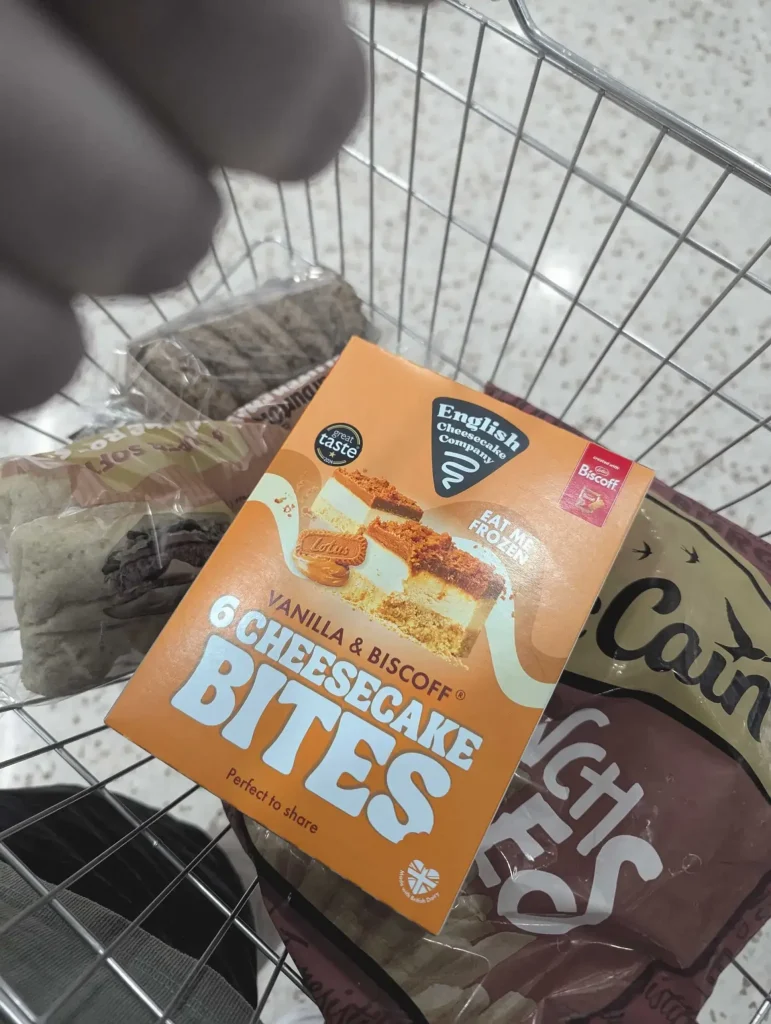
We’ve seen this play out with our packaging projects, like the English Cheesecake Co x Squashies collaboration. By leveraging the "New Nostalgia" strategy, we created visuals that didn't just look good on a shelf: they looked incredible on a smartphone screen. The vibrant turquoise and playful typography acted as a digital beacon.

The real power of a cohesive brand identity strategy is that it allows a brand to scale. When the core rules are established: the "logic" of the brand: creating content becomes an act of evolution rather than a constant reinvention. Whether it's a billboard in the middle of London or a 1080×1080 square on an Instagram feed, the brand feels like the same person speaking.
Notes from the Notebook: The Future of the Scroll
As we look towards the rest of 2026, the "scroll" is only going to get faster. AI will continue to flood feeds with technically perfect but soul-less imagery. Our role as a branding agency is to double down on the things machines can't do: irony, subtext, and genuine human connection.
Design is a form of problem-solving, not just decoration. Every line we draw and every colour we pick is a deliberate move to solve the problem of "How do we make people care?"
If you find your brand is getting lost in the noise, perhaps it’s time to stop looking at the graphics and start looking at the strategy behind them. Because the prettiest picture in the world won't matter if nobody stops to look at it.
The Result of our Process:
: Brands that feel "weighted" and intentional.
: Social feeds that tell a story, rather than just post updates.
: A visual language that scales from the screen to the street.
The digital world is loud, but it’s the brands with a clear voice: and a clear strategy: that actually get heard.
Are you ready to stop the scroll and start a conversation?
We’re always looking for visionary partners to push the boundaries of what a brand can be. Whether you’re looking for a complete overhaul or a strategic approach to your social presence, let’s talk about how we can make your brand magnetic.
Next Project: New Nostalgia: Why the 90s are winning 2026