Category: Branding / Strategy / AI
Date: 18 June 2026
Reading Time: 8 minutes
Walking through the halls at BrightonSEO 2026 this week, there was a palpable shift in the air: a collective realisation that the old playbooks are being rewritten in real-time. The conversation has moved beyond the "blue links" of yesterday. We aren't just talking about how to rank on page one anymore; we’re talking about how to be recognisable in an AI-driven ecosystem.
Search has evolved from a directory into a curator. Whether it’s Google’s AI Overviews, Perplexity, or ChatGPT, these engines aren't just looking for keywords: they’re looking for authority. They are scanning the entire web to decide if your brand is the "real deal" before they even consider citing you as a source.
At Wetton&Co, we’ve always believed that a brand identity strategy should do more than just "look pretty": it has to work hard across every single touchpoint. But in 2026, that strategy has a new, critical audience: the algorithm.
The Challenge
For years, many businesses treated their visual identity as a "set and forget" asset: a logo for the header, a couple of brand colours for the buttons, and a font for the body copy. As long as the website was "SEO-optimised," the brand would follow.
However, we’ve reached a tipping point where the website is no longer the sole gatekeeper of your reputation. AI models are training on Reddit threads, YouTube transcripts, and social media mentions. If your brand looks like one thing on Instagram, sounds like another on your blog, and has zero visual presence on third-party platforms, the "trust signals" begin to fray.
The challenge we face today is fragmentation. In a world of multi-platform discovery, a disjointed brand isn't just a design problem: it’s a search visibility problem. If the AI cannot connect the dots between your various digital footprints, it won't trust you enough to recommend you.

The Result
The brands winning in 2026 are those that have embraced a "full-spectrum" approach to their identity. When we worked with clients to bridge the gap between their physical presence and their digital footprint, the results were unmistakable.
By grounding every design decision in a robust brand identity strategy, we’ve seen brands achieve:
- Higher AI Citation Rates : Large Language Models (LLMs) are more likely to cite brands that have a consistent, authoritative presence across multiple reputable sources.
- Reduced Friction in Multi-Platform Discovery : Whether a customer finds you on TikTok or a niche forum, the immediate visual "click" of recognition keeps them in your ecosystem.
- Compound Trust Signals : Consistent use of strategic brand elements acts as a digital signature that AI engines use to verify your brand's legitimacy.
We’ve moved into an era where your brand story is your SEO.
Solution: Building an "Everywhere" Brand
Our approach at Wetton&Co isn't about just making things look modern: it's about making them unmistakable. We treat every project as a backstage tour of the brand's core purpose, ensuring that the final visual language is both playful and deliberate.
1. The Power of the Visual Monogram
In an AI-first world, your logo needs to work at the scale of a favicon and the impact of a billboard. We focus on creating distinctive monograms and logomarks that serve as a visual anchor. Take our work on the "Holistic Nomad" identity: we crafted a minimalist 'HN' monogram that carries the brand's tranquil energy across everything from digital apps to physical stationery. This level of consistency tells search engines and users alike that this is a single, unified entity.
2. Trust Signals Through Design Quality
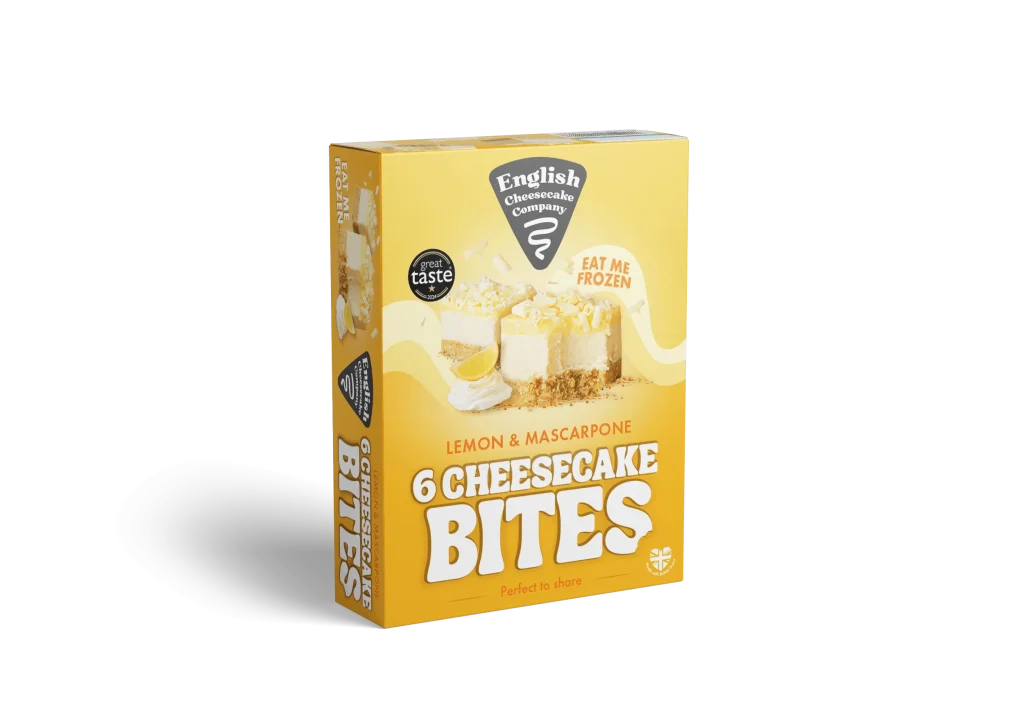
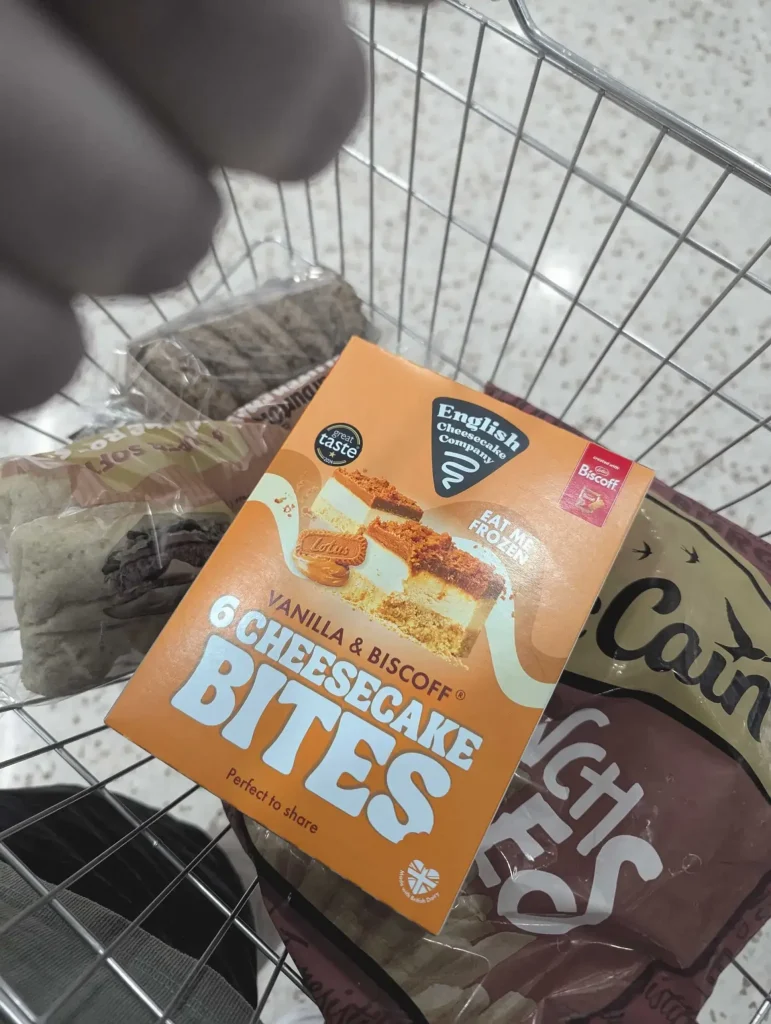
AI engines are increasingly sophisticated at evaluating the "quality" of a brand's footprint. This is where premium positioning becomes a strategic advantage. A brand that looks "cheap" or "generic" across the web struggles to gain the earned media placements that AI now relies on for its recommendations. We ensure that our clients: like the _"English Cheesecake Company": _have packaging and digital visuals so bold and professional that they naturally attract the kind of high-authority coverage that fuels modern search signals.
3. Multi-Platform Coherence
The BrightonSEO 2026 debriefs made it clear: 94% of links cited by AI search come from earned media. To get that coverage, your brand needs to be "kit-ready." We build comprehensive brand suites: like the vibrant yellow and black system for _"Sunrise Coffee": _that empower our partners to show up on YouTube, Instagram, and in the press with total confidence. When your packaging design is as recognisable as your website, you create a "ripple effect" that AI engines can't ignore.

The Outcome
By shifting the focus from "ranking" to "recognisability," we help our partners build brands that are future-proof. The outcome isn't just a beautiful brand: it’s a strategic asset that works 24/7 to reinforce your authority in the digital landscape.
The design choices we make: the pixel-serif detail in a monogram, the high-contrast green of a sports facility's signage, or the playful characters on a coffee cup: are all deliberate moves to spark memory and ground the brand's presence. We aren't just designing for today; we are designing for the way people (and machines) will find you tomorrow.
When you invest in a proper brand identity strategy, you stop chasing the algorithm and start leading the conversation. You become the brand that AI wants to talk about.

Ready to build a brand that AI can’t ignore?
We’ve spent years perfecting the balance between bold creativity and strategic precision. Whether you’re a startup looking to make a massive first impression or an established business needing to fix your brand signals, we’re here to help you navigate this shift.
Let’s stop scrolling and start talking. Contact Wetton&Co today and let's explore how we can work alongside you to craft a visual identity that stands the test of time: and the evolution of search.
Next Project: Designing Fiction: How we create fictional brands that feel real