Category: Film & TV, Branding
Date: February 24, 2026
There's a split-second decision that happens when you're designing a title sequence. You've built this beautiful typographic moment: letters cascading, glitching, morphing into smoke: and then you have to ask: can anyone actually read this?
It's the central tension in all film graphics work. A title sequence isn't a poster. It isn't a logo lockup. It exists in time, with motion, with music, with the weight of expectation. It has to do two things simultaneously: tell you what kind of story you're about to experience, and make sure you know who made it.
The moment you prioritize one over the other, the whole thing falls apart.
The Dual Function Problem
Every title sequence we work on starts with the same brief, spoken or unspoken: Make it memorable. Make it clear. Make it feel like the film.
Those three goals don't always want to coexist. Typography that's atmospheric: distressed, fragmented, kinetic: often sacrifices instant readability. Clean, legible type can feel sterile against a world you're trying to build with texture and grit. And both need to happen while names scroll past in seconds.
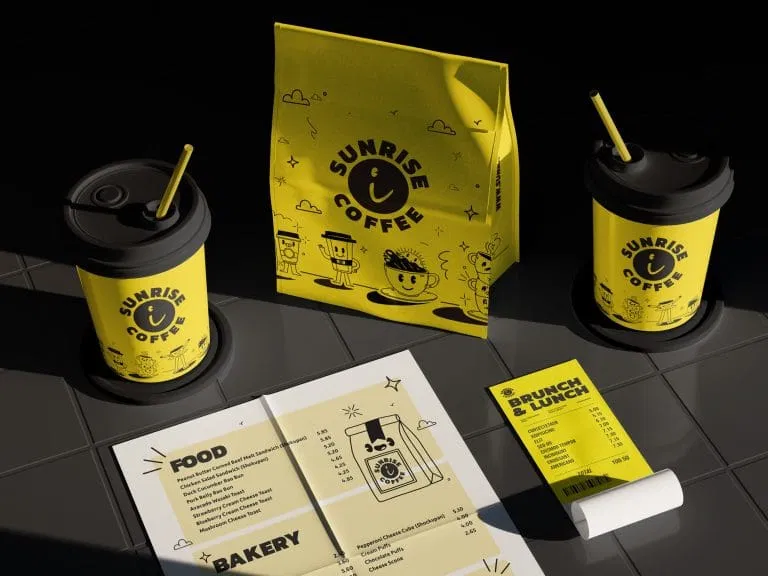
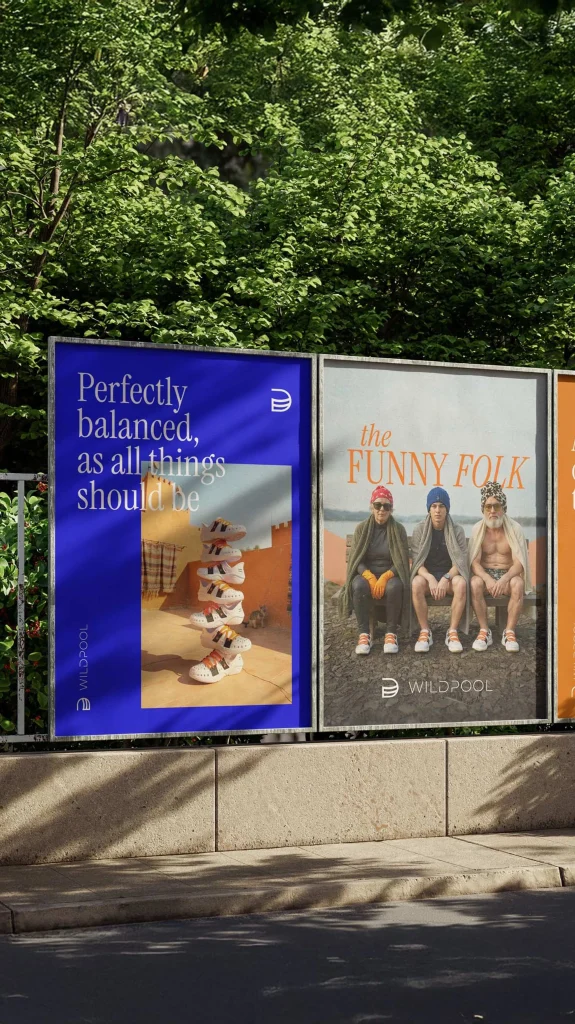
This is where our dual expertise comes in. At Wetton&Co, we don't just design for film and TV: we build brand identities that live across packaging, digital, print, and spatial environments. That crossover matters because the best title sequences function like brand systems: they have rules, hierarchies, and a visual language that can flex without breaking.

When we approach a title sequence, we're thinking about it the way we'd think about a packaging system or a campaign rollout. What's the anchor? What can shift? How does the type behave when it's in motion vs. static? How does color guide focus without overwhelming it?
Typography as Narrative Architecture
The typeface is doing most of the heavy lifting. It's the first and last thing viewers consciously process, which means it has to work on multiple levels: aesthetic, functional, thematic.
We start by asking what the font is saying before a single word appears. A bold sans-serif with tight tracking says something different than a loose, hand-drawn script. The former implies precision, control, maybe menace. The latter suggests intimacy, instability, something human and imperfect. Both are readable. Both are narrative tools. The choice isn't about legibility alone: it's about what the letterforms communicate before you've even read them.
Saul Bass understood this better than most. In Vertigo, the titles don't just appear: they spiral and fall, echoing the film's obsession with descent and psychological unraveling. But Bass never sacrificed clarity. The type remains perfectly legible because he understood rhythm, weight, and spacing. The motion enhances the meaning without obscuring the function.
That's the standard we measure against.
Motion, Color, and the Timing Problem
Once you've locked the typeface, you're into the choreography. How fast does the text move? How long does each name hold on screen? Where does the viewer's eye go when there's both image and type competing for attention?
This is where color and contrast become structural, not decorative. If your background is dense with visual information: footage, texture, graphic elements: your type needs a strategy for standing apart. That might mean a subtle shadow or glow. It might mean reserving a specific hue that only the type uses. It might mean building in negative space that the eye can rest in.

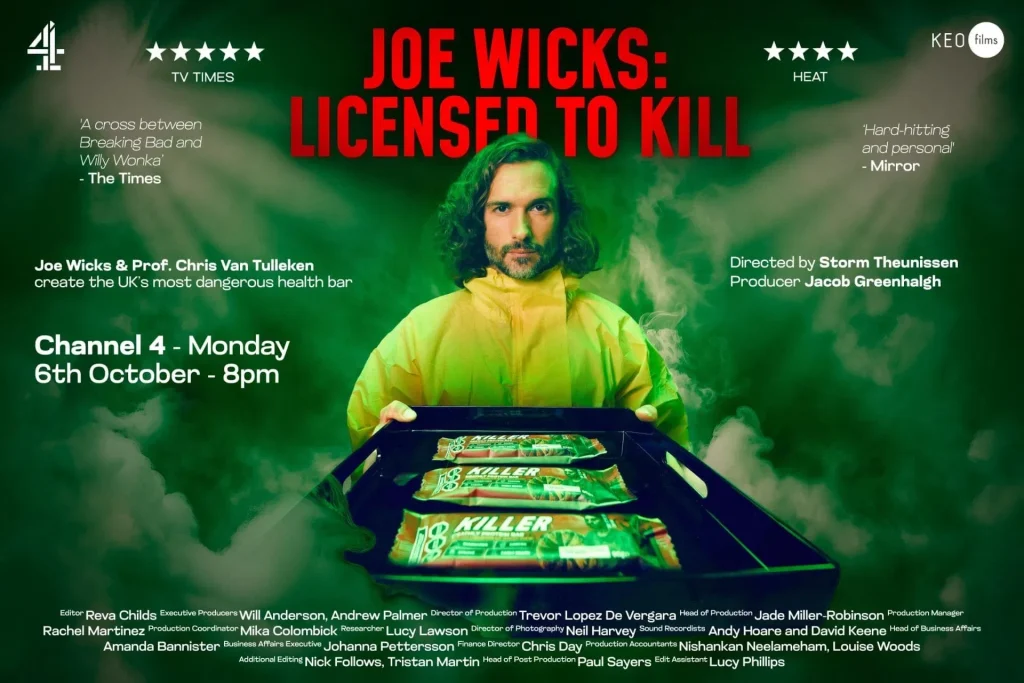
We tested this exact tension in our "Killer" protein bar campaign. The project sits at the intersection of branding and cinematic storytelling: bold, visceral, designed to feel like it belongs in a film's opening moments rather than on a shelf. The challenge was making the typography dramatic enough to convey danger and urgency while keeping the product name and messaging instantly readable.
The red-on-black palette anchored the visuals. The distressed type added texture and narrative weight: this isn't a clean, clinical health product; it's raw, aggressive, unapologetic. But the letterforms themselves remain sturdy and high-contrast. You can read "KILLER" from across a room, even with the grunge overlays and motion blur effects. That balance: maximum narrative impact, zero compromise on clarity: is what makes it work as both branding and as a piece of visual storytelling that could live in a title sequence.

The same principles apply when we're designing for broadcast. You have to assume distraction. The viewer isn't reading: they're absorbing. The type has to register in peripheral vision. It has to survive bad TV compression, small laptop screens, someone scrolling on their phone. That forces discipline. It forces you to build a system where every choice reinforces the others.
The Invisible Grid
Here's the thing most people don't see: good title sequences feel effortless because they're mathematically precise.
There's a grid underpinning everything. Margins aren't arbitrary. The space between a name and the edge of frame is calculated to feel balanced without being static. Type doesn't drift: it moves along invisible axes that keep the composition stable even when motion makes it feel dynamic.
We're not talking about rigid formality. We're talking about building a framework that allows for creative expression without chaos. It's the same reason our logo systems work: they have enough structure to stay cohesive, enough flexibility to feel alive.
In title work, that grid determines pacing. If a name holds on screen for three seconds but feels like five, the spacing or weight is wrong. If two names overlap and the second one gets lost, the contrast or timing failed. These are problems you solve in the design phase, not in post-production.
Integrating Image and Type
The best title sequences don't feel like names on top of images. They feel like the type belongs in the world you're seeing.
Sometimes that's literal integration: type that interacts with environment, casting shadows, reflecting in glass, appearing as practical signage within the frame. Sometimes it's conceptual: where the visual language of the type mirrors the texture, rhythm, or color of the footage beneath it.
We're always looking for that synthesis. If the film's world is gritty and analog, the type shouldn't feel like it was rendered yesterday in a motion graphics template. If the story is sleek and futuristic, hand-drawn imperfections will feel out of place. The type has to speak the same visual dialect as everything else on screen.
That's where our branding background gives us an edge. We're trained to think in systems: to ensure that every visual element shares DNA with the others. In title design, that means the typography, color palette, motion style, and graphic treatments all reinforce a singular vision.

The Soundtrack to Legibility
Music does more for title sequences than most people realize. It's not just atmosphere: it's pacing. It's rhythm. It's the thing that tells the viewer how fast to read, when to focus, when to let the visuals wash over them.
When type and music are in sync: when a name hits on a beat, or when motion accelerates as the score builds: it creates a flow state. The reading becomes subconscious. The viewer absorbs both the information and the feeling without friction.
When they're out of sync, everything drags. Names feel like they're lingering too long or disappearing too fast. The composition feels off-balance even if the visuals are perfect.
We don't always get to design the audio: but when we do, or when we're working closely with composers and sound designers, we're thinking about how sound supports legibility. A swell in the score can draw attention to a name. A cut in the audio can mark a transition. Silence can make type feel heavier, more deliberate.
It all serves the same goal: make sure the credits are clear without making them boring.
Building for the Long Game
Here's what separates a good title sequence from a great one: it ages well.
Five years from now, will the visual choices still feel intentional, or will they feel like 2026 locked in amber? Did you chase a trend, or did you build something with enough craft and conceptual depth to endure?
That's the same question we ask with every brand identity we create. Longevity comes from making decisions that are rooted in strategy, not fashion. It comes from understanding the fundamentals: contrast, hierarchy, proportion, rhythm: and using them to build something that serves the story, not the other way around.
When we design a title sequence, we're not just solving for the film's release week. We're solving for every time someone revisits that opening. Every time it appears in a montage, a trailer, a retrospective. The work has to hold up under scrutiny. It has to reward repeat viewing. It has to feel like it always belonged there.
Bringing It All Together
Balancing narrative and legibility isn't about compromise: it's about synthesis. It's about recognizing that clarity and creativity aren't opposing forces. They're tools in the same kit, and the best work makes them inseparable.
We bring a branding designer's rigor to film graphics work, and a filmmaker's sense of story to brand identities. That cross-pollination is what allows us to build title sequences that don't just introduce a story: they amplify it, give it texture, make it unforgettable.
If you're working on a project: whether it's a title sequence, a campaign, or a full brand identity: where the visuals need to work as hard as the words, we should talk. This is the kind of problem we're built to solve.